TMJ Physiotherapy in Liverpool
Jaw pain is one of those problems people tend to live with for far longer than they need to. Clicking when you eat, an ache that builds through the day, headaches that seem to start around the temples, difficulty opening your mouth fully. Many people assume it is a dental issue, see a dentist, and are told their teeth are fine.
Temporomandibular joint dysfunction, usually shortened to TMJ dysfunction or TMD, is a musculoskeletal problem affecting the jaw joint and the muscles that move it. Like other musculoskeletal conditions, it often responds well to physiotherapy.
What Is TMJ Dysfunction?
The temporomandibular joint connects your lower jaw to your skull, just in front of each ear. It is one of the most used joints in the body, working every time you talk, eat, yawn or swallow. It is also unusual in that the two joints, left and right, have to move together.
TMJ dysfunction is an umbrella term for problems affecting that joint, the disc inside it, or the muscles around it. It is common, and it affects people of all ages, though it is seen more often in adults between 20 and 50.
Symptoms of TMJ Dysfunction
- Pain or tenderness in the jaw, in front of the ear, or across the cheek
- Clicking, popping or grating noises when opening or closing the mouth
- Difficulty opening the mouth fully, or the jaw locking open or closed
- Aching around the temples, or headaches that build through the day
- Earache, a feeling of fullness in the ear, or ringing in the ears, with no ear infection present
- Pain when chewing, particularly with harder or chewier foods
- Neck and upper shoulder tightness alongside the jaw symptoms
- Facial muscle fatigue, especially first thing in the morning
What Causes TMJ Problems?
Clenching and grinding
Teeth grinding, often at night and often without the person realising, overloads the jaw muscles and the joint itself. Many people notice symptoms are worse in the morning.
Stress and muscular tension
Periods of stress tend to increase clenching, and the jaw muscles are among the strongest in the body for their size. Sustained tension in them is tiring and painful.
Posture and neck position
Sustained forward head positions change the resting position of the jaw and load the muscles under the chin and along the neck differently. This is frequently a factor in people who work long hours at a desk.
Injury
A direct blow to the jaw or face, a whiplash-type injury, or prolonged wide opening during a long dental procedure can all trigger symptoms.
Joint and disc changes
The small disc that sits within the joint can shift position, which is often what produces the click. Arthritic change in the joint can also contribute, particularly in older adults.
Habits
Nail biting, chewing gum for long periods, resting the chin on a hand, or always chewing on one side can all load the joint unevenly over time.

How Physiotherapy Can Help TMJ Dysfunction
Physiotherapy for the jaw follows the same principles as physiotherapy anywhere else in the body. The aim is to settle pain, restore normal movement, and address whatever was loading the joint in the first place so the problem is less likely to return.
Treatment is usually a combination of hands-on work and things you do yourself between sessions. Depending on the assessment findings, that can include:
- Manual therapy to the jaw muscles and joint, including work inside the mouth where appropriate and with your consent
- Treatment of the upper neck, which is frequently involved even when symptoms are felt in the jaw
- Specific jaw exercises to restore controlled opening and closing and reduce deviation
- Postural work aimed at the neck and upper back
- Advice on clenching, grinding, diet consistency and daily habits that are loading the joint
- Relaxation and breathing techniques where muscular tension is a significant driver
Some people also benefit from acupuncture alongside their physiotherapy, and this may be discussed if it is suitable for you.
Outcomes vary between individuals, and some people need input from a dentist or maxillofacial specialist alongside physiotherapy. Where that is the case, we would tell you and help you get to the right person.
What a TMJ Assessment Involves
An initial assessment starts with a conversation about your symptoms, when they began, what makes them better or worse, and any dental history that might be relevant. Grinding, recent dental work, stress levels and sleep all come into it.
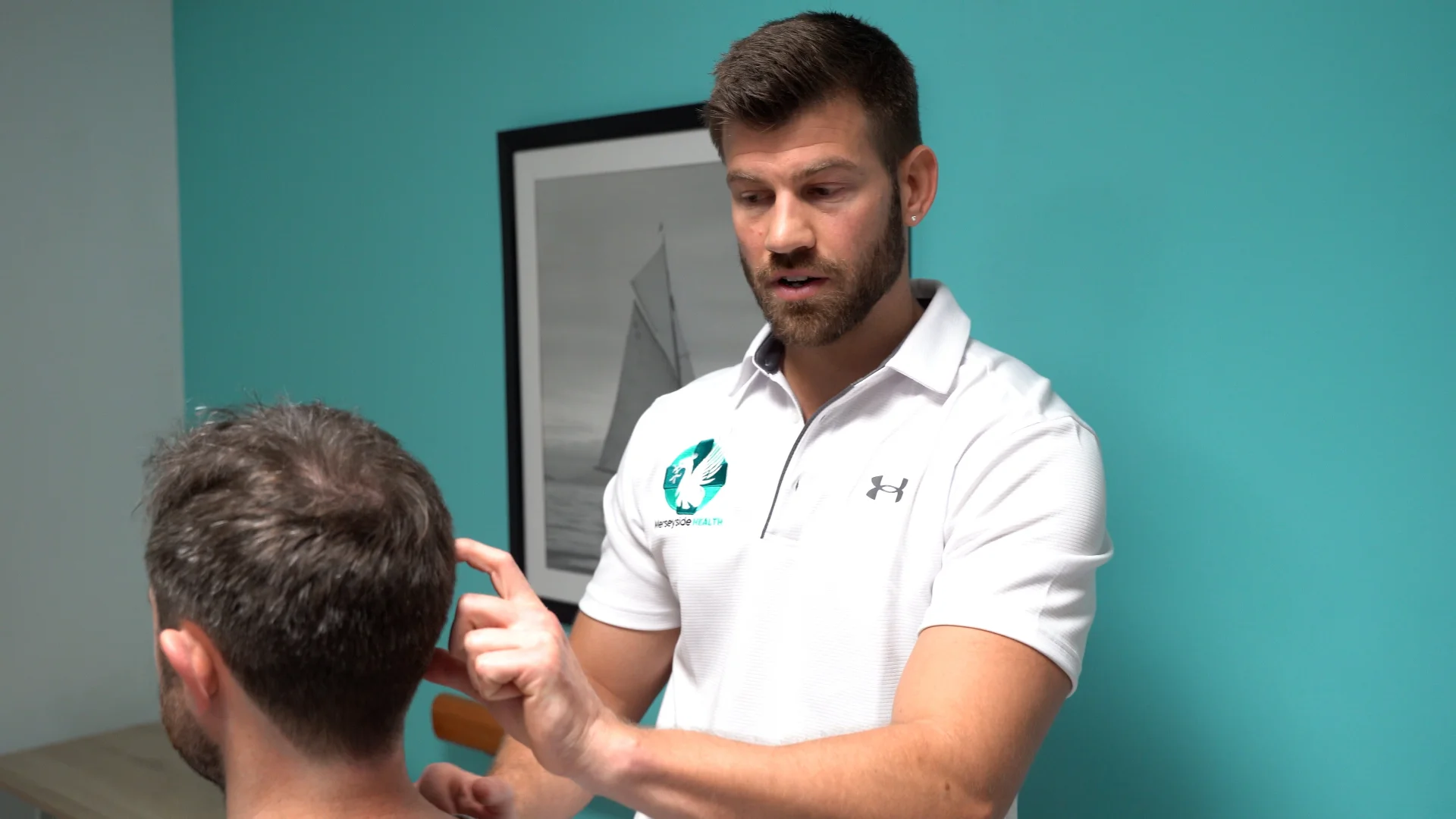
The physical assessment looks at how far and how evenly your jaw opens, the movement available at each joint, the tenderness of the muscles around the jaw and temples, and the movement and strength of your neck. Together this builds a picture of what is driving the symptoms rather than just where they are felt.
You would then be given a clear explanation of the findings and a treatment plan you have agreed to, including what you can do at home between appointments.
TMJ Physiotherapy at Merseyside Health
We are currently expanding our musculoskeletal service to include physiotherapy for temporomandibular joint dysfunction. Our clinicians are completing specialist training in the assessment and treatment of jaw and facial pain, and we will be opening appointments once that is complete.
If you are dealing with jaw pain and would like to be told as soon as appointments become available, get in touch and we will add you to the list. If your symptoms involve your neck, headaches or dizziness as well, we can see you for those now through our general physiotherapy service while you wait.